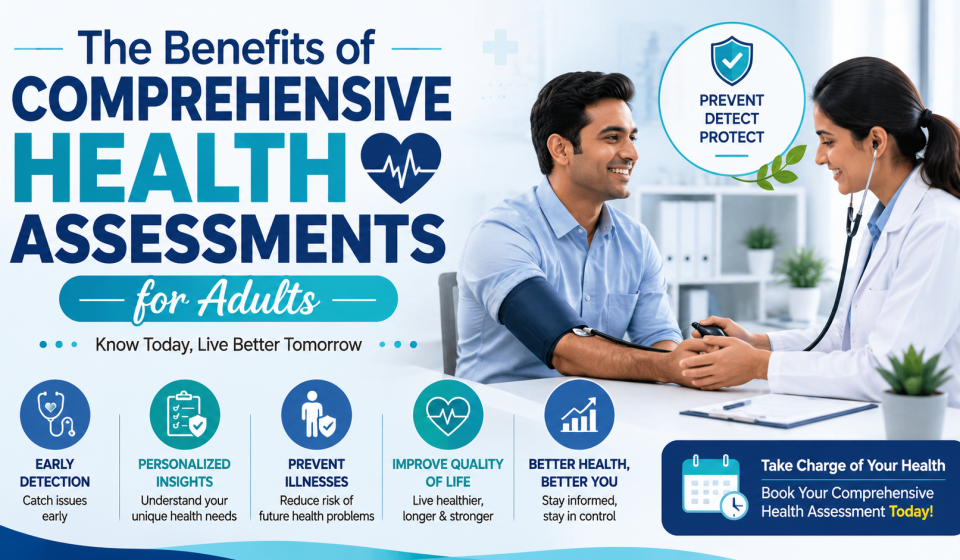
The Benefits of Comprehensive Health Assessments for Adults: Why Regular Check-Ups Are the Key to Lifelong Wellness

Good health is one of the most valuable assets an adult can have, yet many people only visit a healthcare provider when they become ill or experience severe symptoms. While treating diseases is an essential part of medicine, modern healthcare increasingly.
A comprehensive health assessment is much more than a routine physical examination. It involves reviewing an individual’s medical history, family health history, lifestyle habits, vital signs, laboratory investigations, and preventive screenings. Healthcare professionals use this information to evaluate current health, identify risk factors for chronic diseases, and develop personalized wellness plans tailored to each person’s age, lifestyle, and medical needs.
What Is a Comprehensive Health Assessment?
A comprehensive health assessment is a detailed medical evaluation that measures overall health and identifies disease risks before symptoms become serious.
It may include:
- Medical history review
- Physical examination
- Laboratory testing
- Vital sign assessment
- Lifestyle evaluation
- Preventive health counseling
Its primary goal is early detection and disease prevention.
Why Adults Need Regular Health Assessments
As adults age, the risk of chronic diseases gradually increases.
Routine assessments help:
- Detect health problems early
- Monitor ongoing conditions
- Reduce disease complications
- Improve treatment success
- Promote healthier living
Prevention is more effective than delayed treatment.
Early Detection of Chronic Diseases
Comprehensive evaluations may identify:
- High blood pressure
- High cholesterol
- Prediabetes
- Type 2 diabetes
- Kidney disease
- Liver disorders
- Thyroid conditions
- Certain cancers
Early diagnosis often results in simpler and more successful treatment.
Monitoring Heart Health
Cardiovascular assessments commonly include:
- Blood pressure measurement
- Cholesterol testing
- Weight evaluation
- Blood sugar assessment
- Lifestyle review
Regular monitoring helps reduce heart disease risk.
Evaluating Lifestyle Factors
Healthcare professionals assess:
- Nutrition
- Physical activity
- Sleep quality
- Stress levels
- Tobacco use
- Alcohol consumption
Healthy habits significantly influence long-term wellness.
Importance of Family Medical History
Knowing your family history helps healthcare providers identify inherited risks.
This information supports:
- Personalized screening schedules
- Early monitoring
- Preventive interventions
- Individualized healthcare planning
Family history is an important part of preventive medicine.
Mental Health Assessment
Comprehensive health assessments also evaluate emotional well-being.
Areas commonly discussed include:
- Stress
- Anxiety
- Depression
- Sleep patterns
- Emotional resilience
Mental and physical health are closely connected.
Personalized Preventive Care
Every adult has unique healthcare needs based on:
- Age
- Lifestyle
- Medical history
- Family history
- Personal health goals
Personalized care improves preventive outcomes.
Technology in Health Assessments
Modern healthcare technologies include:
- Electronic health records
- Telemedicine
- Wearable health devices
- Mobile wellness applications
- Artificial intelligence-assisted risk assessment
Technology improves continuity and accessibility of care.
Benefits Beyond Disease Detection
Comprehensive assessments also help:
- Increase health awareness
- Encourage healthier habits
- Improve energy levels
- Enhance productivity
- Support healthy aging
- Improve quality of life
Knowledge empowers better health decisions.
Financial Advantages
Preventive healthcare often reduces:
- Emergency medical visits
- Hospitalizations
- Surgical procedures
- Long-term treatment expenses
- Lost work productivity
Early intervention is usually more cost-effective.
Building a Healthy Routine
Adults can improve long-term wellness by:
- Scheduling annual health assessments.
- Following recommended screenings.
- Eating balanced meals.
- Exercising regularly.
- Maintaining a healthy weight.
- Sleeping adequately.
- Managing stress effectively.
- Staying hydrated.
Consistency supports lifelong health.
Source
https://www.who.int
https://www.cdc.gov
https://medlineplus.gov
https://www.mayoclinic.org
https://www.nhlbi.nih.gov
Conclusion
Comprehensive health assessments are one of the most effective tools for maintaining long-term health because they focus on early detection, disease prevention, and personalized healthcare planning. By combining detailed medical evaluations, routine laboratory testing, lifestyle assessments, preventive screenings, and individualized health recommendations, adults can identify potential health risks before symptoms develop and take proactive steps to improve their well-being. Regular health assessments not only reduce the risk of chronic diseases and expensive medical treatments but also encourage healthier daily habits, greater health awareness, and improved quality of life. Investing in comprehensive health assessments today is a proactive decision that supports healthier aging, increased productivity, and lifelong wellness.
FAQ
1. What is a comprehensive health assessment?
A comprehensive health assessment is a detailed medical evaluation that reviews an individual’s overall health through medical history, physical examination, laboratory tests, preventive screenings, and lifestyle assessments to detect health risks early.
2. Why are comprehensive health assessments important for adults?
They help identify diseases before symptoms appear, improve treatment outcomes, reduce complications, support healthier lifestyle choices, and lower long-term healthcare costs.
3. What tests are commonly included in a comprehensive health assessment?
Common evaluations include blood pressure measurement, blood sugar testing, cholesterol screening, complete blood count, kidney and liver function tests, body mass index assessment, and age-appropriate preventive screenings recommended by healthcare professionals.
4. How often should adults have a comprehensive health assessment?
Most adults benefit from an annual health assessment, although healthcare providers may recommend more frequent evaluations based on age, family history, existing medical conditions, and personal health risks.
5. Can comprehensive health assessments detect diseases before symptoms appear?
Yes. Many chronic conditions, including diabetes, hypertension, kidney disease, thyroid disorders, high cholesterol, and some cancers, can often be detected during routine health assessments before noticeable symptoms develop.
6. How do lifestyle assessments contribute to preventive healthcare?
Healthcare professionals evaluate nutrition, physical activity, sleep, stress, smoking, alcohol use, and other lifestyle factors to recommend personalized changes that reduce disease risk and improve overall wellness.
7. Are comprehensive health assessments only for older adults?
No. Adults of all ages benefit from routine health assessments because they establish baseline health measurements, detect emerging health concerns early, and support lifelong preventive healthcare.
8. How can comprehensive health assessments reduce healthcare costs?
Early diagnosis and preventive care often reduce emergency medical visits, hospitalizations, expensive treatments, long-term medication needs, and complications associated with advanced chronic diseases.