
Choosing a college is one of the most important decisions a student will make in life. The right college can provide quality education, valuable skills, networking opportunities, and a strong foundation for future career success. On the other hand, selecting the wrong institution can lead to dissatisfaction, unnecessary expenses, and missed opportunities.
Why Choosing the Right College Matters
Your college experience plays a significant role in shaping your future. The institution you choose can influence:
- Academic knowledge and skills
- Career opportunities
- Professional network
- Personal development
- Employment prospects
- Higher education opportunities
A well-chosen college can open doors to internships, industry connections, and successful careers. Therefore, students should approach college selection strategically rather than making decisions based solely on rankings or popularity.
Start by Defining Your Career Goals
Before researching colleges, students should first identify their career objectives.
Ask yourself:
- What profession am I interested in?
- Which industries appeal to me?
- What are my strengths and interests?
- Do I want to pursue higher studies later?
- What skills will I need for my desired career?
Having clear career goals helps narrow down educational options and ensures that your chosen college supports your long-term ambitions.
For example:
- Future engineers should seek colleges with strong technical programs.
- Aspiring healthcare professionals should prioritize institutions with excellent science and medical education.
- Students interested in business should evaluate colleges with strong management programs and industry partnerships.
Research Academic Programs Carefully
The quality of the academic program is one of the most important factors when selecting a college.
Consider:
Course Curriculum
Review the curriculum to ensure it covers relevant and up-to-date topics.
Faculty Expertise
Experienced professors and industry professionals can provide valuable knowledge and mentorship.
Specializations
Some colleges offer specialized tracks that align with specific career paths.
Practical Learning Opportunities
Look for programs that include:
- Internships
- Laboratory work
- Industry projects
- Research opportunities
- Field experiences
Practical learning enhances career readiness and employability.
Check Accreditation and Recognition
Accreditation indicates that a college meets established educational standards.
Benefits of attending an accredited institution include:
- Higher educational quality
- Better employer recognition
- Eligibility for financial aid
- Easier credit transfers
- Greater opportunities for advanced studies
Always verify that the college is recognized by relevant educational authorities and accreditation bodies.
Evaluate Placement and Career Support Services
A college’s career services department can significantly impact your professional success.
Look for institutions that provide:
- Career counseling
- Resume-building workshops
- Interview preparation
- Internship opportunities
- Job placement assistance
- Industry networking events
Placement statistics can offer valuable insights into graduate employment outcomes.
Important questions include:
- What percentage of students secure jobs after graduation?
- Which companies recruit from the institution?
- What is the average salary package?
Strong career support services improve transition from education to employment.
Consider College Reputation
Reputation can influence educational experiences and employment opportunities.
Factors contributing to a college’s reputation include:
- Academic excellence
- Faculty qualifications
- Research achievements
- Alumni success
- Employer recognition
While rankings should not be the only deciding factor, they can provide useful information when comparing institutions.
Students should also seek feedback from current students and alumni to gain a realistic understanding of campus life and educational quality.
Assess Campus Facilities and Resources
A supportive learning environment contributes to academic success.
Evaluate facilities such as:
- Libraries
- Laboratories
- Technology infrastructure
- Study spaces
- Sports facilities
- Student support centers
Modern facilities can enhance learning experiences and provide opportunities for personal development.
Students should visit campuses whenever possible to experience the environment firsthand.
Location Matters
The location of a college can affect both educational experiences and future opportunities.
Consider factors such as:
Accessibility
How easy is it to travel to and from the campus?
Cost of Living
Living expenses vary significantly across regions.
Industry Connections
Colleges located near business hubs often provide better internship and networking opportunities.
Lifestyle Preferences
Students should choose environments where they feel comfortable and motivated.
Urban campuses may offer greater professional opportunities, while smaller towns may provide quieter study environments.
Analyze Tuition Costs and Financial Aid
Higher education is a major financial investment.
Students should evaluate:
- Tuition fees
- Accommodation costs
- Transportation expenses
- Learning materials
- Additional fees
Many colleges offer:
- Scholarships
- Grants
- Financial aid
- Work-study programs
Comparing financial options helps students make cost-effective decisions without compromising educational quality.
Explore Internship and Industry Partnerships
Practical experience is increasingly important in today’s competitive job market.
Colleges with strong industry partnerships often provide:
- Internship placements
- Industry projects
- Guest lectures
- Corporate mentorship programs
- Recruitment opportunities
These experiences help students develop professional skills and build valuable networks before graduation.
Look Beyond Academics
A college experience should support personal growth as well as academic achievement.
Consider opportunities for:
- Leadership development
- Student organizations
- Community service
- Cultural activities
- Entrepreneurship programs
Extracurricular involvement helps students develop soft skills that employers highly value.
The Importance of Alumni Networks
Successful alumni can contribute significantly to student success.
Strong alumni networks provide:
- Mentorship
- Career advice
- Internship opportunities
- Professional connections
- Industry insights
Research the accomplishments of graduates from prospective colleges.
An active alumni community often reflects a supportive educational environment.
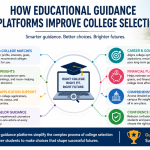
Use Educational Guidance Platforms Like CollegesWay
The college selection process can be complex and time-consuming.
Educational guidance platforms such as CollegesWay simplify decision-making by providing:
- College comparisons
- Admission information
- Career guidance
- Educational resources
- Scholarship updates
- Student support content
Access to centralized information helps students make informed and confident choices.
Common Mistakes to Avoid
Many students make avoidable errors during the college selection process.
Common mistakes include:
Following Popularity Alone
A famous college may not necessarily be the best fit for your goals.
Ignoring Career Alignment
Choose institutions that support your intended career path.
Overlooking Costs
Consider affordability and long-term financial implications.
Neglecting Campus Visits
Whenever possible, visit campuses before making final decisions.
Relying Solely on Rankings
Evaluate multiple factors rather than focusing only on rankings.
Avoiding these mistakes can lead to better educational outcomes and career satisfaction.
Future Trends in College Selection
Technology is transforming how students choose colleges.
Emerging trends include:
- AI-powered college recommendations
- Virtual campus tours
- Data-driven career planning
- Personalized educational guidance
- Digital learning evaluations
Students who leverage modern educational tools can make more informed decisions and better prepare for future careers.
Source
UNESCO Education Resources
OECD Education and Skills
National Center for Education Statistics (NCES)
Conclusion
Choosing the right college is one of the most important investments in your future. The ideal institution should align with your academic interests, career goals, financial situation, and personal preferences.
By carefully evaluating academic programs, accreditation, placement opportunities, campus facilities, industry connections, and support services, students can make informed decisions that contribute to long-term success.
Platforms like CollegesWay make the process easier by providing educational resources, career guidance, and college planning support. With proper research and strategic planning, students can confidently choose a college that serves as the foundation for a successful and fulfilling career.
FAQ
1. Why is choosing the right college important?
Choosing the right college affects your education quality, career opportunities, professional network, and long-term success.
2. What factors should I consider when selecting a college?
You should evaluate academic programs, accreditation, faculty, campus facilities, placement records, costs, and career support services.
3. How do career goals influence college selection?
Career goals help determine which programs, colleges, and learning opportunities best align with your future professional aspirations.
4. Why is accreditation important?
Accreditation ensures that a college meets quality standards and is recognized by employers and educational institutions.
5. How can I evaluate a college’s placement opportunities?
Review placement statistics, recruiter partnerships, internship programs, and graduate employment outcomes.